
At Vida Revival, many patients in Thousand Oaks, Agoura Hills, Calabasas, Westlake Village, and surrounding Los Angeles County communities seek long-term solutions for chronic health concerns rather than temporary symptom relief. Lifestyle medicine has emerged as a powerful, evidence-based approach to preventing, managing, and in some cases improving chronic conditions by addressing the root causes of disease. By focusing on daily habits, metabolic health, and personalized care, patients can take meaningful steps toward lasting wellness.
What Is Lifestyle Medicine?
Lifestyle medicine is a medical approach that uses therapeutic lifestyle interventions as a primary modality to treat chronic disease. Rather than focusing solely on medications, it emphasizes nutrition, physical activity, stress management, restorative sleep, social connection, and avoidance of harmful substances. These pillars work together to influence inflammation, insulin sensitivity, cardiovascular health, and hormonal balance.
Chronic conditions such as type 2 diabetes, hypertension, obesity, heart disease, and autoimmune disorders often develop gradually over time. Through comprehensive assessments like Comprehensive Adult Wellness Exams, patients can identify early risk factors and create proactive care plans. Preventive strategies, including Preventive Health & Cancer Screenings, further support early detection and timely intervention, which are essential components of lifestyle-based care.
Nutrition and Metabolic Health
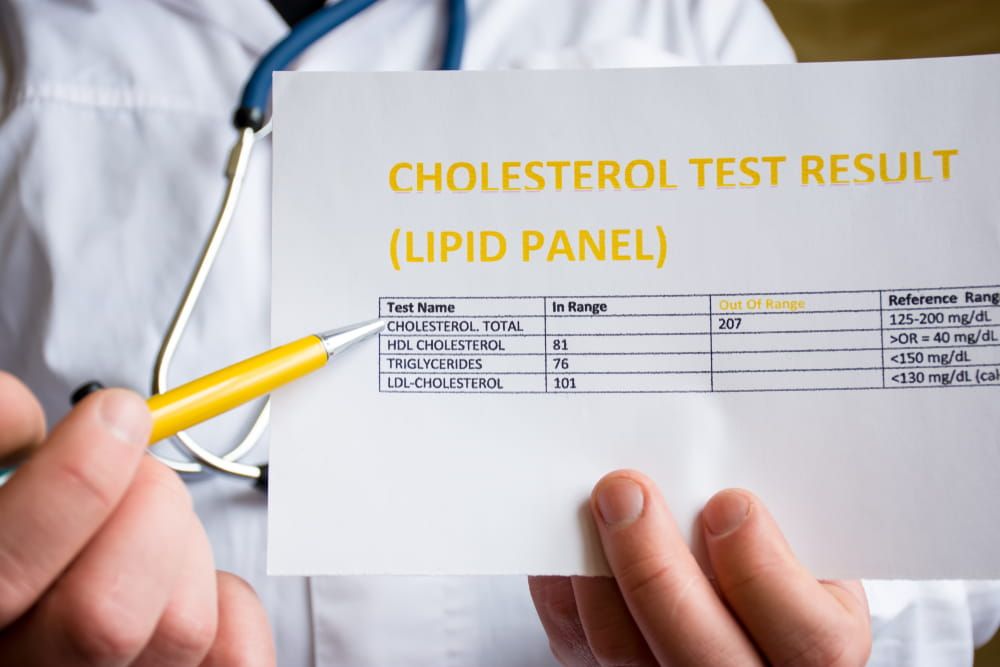
Nutrition plays a central role in the development and progression of chronic disease. Diets high in processed foods, added sugars, and refined carbohydrates contribute to inflammation and cardiometabolic dysfunction. Conversely, nutrient-dense, whole-food approaches can improve blood pressure, lipid profiles, and glucose control.
Programs focused on Weight Management often integrate personalized nutrition counseling with metabolic monitoring. Patients at risk for diabetes or cardiovascular disease may also benefit from structured Cardiometabolic Risk Management, which combines dietary changes with physical activity planning and laboratory evaluation. Sustainable nutritional improvements can reduce dependence on medications while enhancing energy and overall quality of life.
Hormonal Balance and Chronic Disease
Hormonal imbalances frequently influence chronic conditions, particularly in midlife and beyond. Thyroid dysfunction, insulin resistance, and age-related hormonal decline can contribute to fatigue, weight gain, mood changes, and metabolic disorders. Addressing endocrine factors is often a key component of lifestyle medicine.
Evaluation through Endocrine & Hormonal Disorder Management allows providers to identify imbalances that may be affecting overall health. In appropriate cases, Bioidentical Hormone Therapy may be considered to help stabilize symptoms related to menopause or hormonal decline. When hormonal health is optimized alongside lifestyle changes, patients often experience improved resilience and better chronic disease control.
Movement, Stress, and Whole-Person Care
Regular physical activity improves insulin sensitivity, cardiovascular endurance, bone density, and mental clarity. Exercise also reduces inflammation and supports emotional well-being, making it a cornerstone of lifestyle medicine. Even moderate increases in daily movement can significantly impact long-term health outcomes.
Stress management is equally important. Chronic stress elevates cortisol levels, disrupts sleep, and worsens blood sugar control. Integrative approaches such as Integrative Therapies may complement traditional medical care by supporting relaxation and overall balance. In some cases, supportive options like IV Therapy are used when clinically indicated to address nutrient deficiencies that contribute to fatigue and impaired recovery. A whole-person model recognizes that chronic disease is influenced by interconnected physical and emotional factors.
Key components of lifestyle medicine include:
- Whole-food, nutrient-dense nutrition
- Consistent physical activity
- Stress reduction and restorative sleep
- Medication review and optimization
- Ongoing monitoring through Chronic Disease Management
Long-Term Partnership and Prevention
Chronic disease management is not a one-time event but an ongoing process. Lifestyle medicine encourages patients to become active participants in their health journey. Regular follow-up, laboratory monitoring, and thoughtful medication oversight through Medication Management and Polypharmacy Review ensure that treatment plans evolve as health improves.
For individuals across Thousand Oaks, Agoura Hills, Calabasas, Westlake Village, and nearby Los Angeles County communities, adopting lifestyle-based strategies can significantly reduce the burden of chronic illness. Vida Revival emphasizes education, prevention, and sustainable habits that empower patients to take control of their health. When medical expertise is combined with personalized lifestyle interventions, patients are better equipped to prevent complications, improve daily functioning, and enhance overall longevity.
Sources
Ornish, D., et al. (1998). Intensive Lifestyle Changes for Reversal of Coronary Heart Disease. Journal of the American Medical Association.
American College of Lifestyle Medicine. (2022). Lifestyle Medicine and Chronic Disease Management. ACLM Position Statement.
Centers for Disease Control and Prevention. (2023). Preventing Chronic Diseases: What You Can Do Now. CDC.