
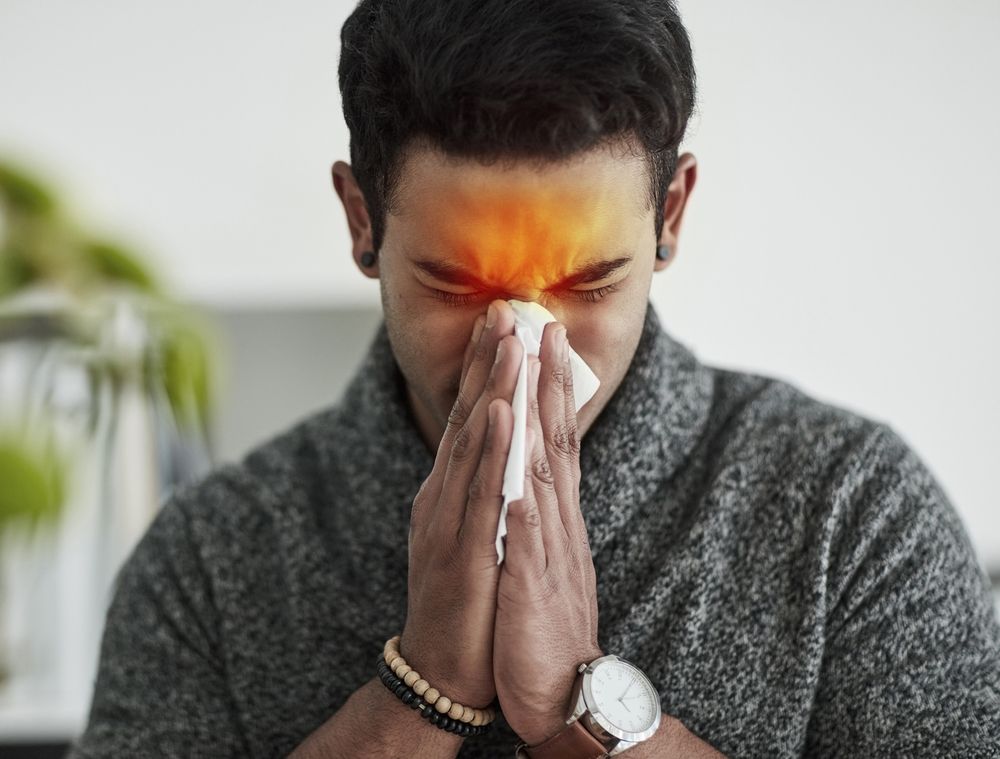
During cold and flu season, many people find themselves wondering whether their symptoms indicate a simple cold, influenza, or COVID-19. At Vida Revival, serving Thousand Oaks, Agoura Hills, Calabasas, Westlake Village, and surrounding Los Angeles County communities, Dr. Diana Alavi emphasizes the importance of understanding the differences between these common illnesses and knowing when it is appropriate to seek medical attention. Accurate recognition can prevent complications, reduce the spread of illness, and ensure timely treatment.
Understanding the Common Cold
The common cold is usually caused by rhinoviruses and tends to present with mild symptoms that develop gradually. Typical signs include a runny or stuffy nose, sneezing, mild fatigue, sore throat, and sometimes a low-grade fever. Cold symptoms are generally short-lived, lasting about a week to ten days, and most healthy adults recover without medical intervention.
Although a cold is usually mild, it can occasionally lead to complications such as sinus infections or ear infections, particularly in people with weakened immune systems or chronic conditions. Recognizing when a cold is more than a simple viral infection is important. Severe or prolonged symptoms, high fever, difficulty breathing, or chest pain should prompt consultation with a healthcare provider to rule out more serious conditions like influenza, COVID-19, or bacterial infections.
Influenza: Recognizing the Flu
Influenza, or the flu, is caused by the influenza virus and typically produces more intense symptoms than the common cold. Fever, body aches, chills, fatigue, headache, sore throat, and cough are common, and these symptoms often appear suddenly. Unlike a cold, the flu can lead to significant complications, including pneumonia, myocarditis, and exacerbation of chronic conditions, particularly in older adults, young children, and immunocompromised individuals.
Flu season usually peaks in fall and winter, but sporadic cases can occur year-round. Because flu symptoms can resemble those of COVID-19 or even a severe cold, testing is often the only way to confirm the diagnosis. Early medical attention is important for those at higher risk or for individuals experiencing worsening symptoms, as antiviral medications are most effective when started within the first 48 hours of illness onset.
COVID-19 Symptoms and Concerns
COVID-19, caused by the SARS-CoV-2 virus, has symptoms that overlap with both colds and flu but can also present with unique features. Common symptoms include fever, dry cough, fatigue, loss of taste or smell, body aches, headache, sore throat, shortness of breath, and gastrointestinal issues such as diarrhea or nausea. COVID-19 can range from mild to severe, and complications include pneumonia, blood clots, and multisystem inflammatory syndrome, particularly in unvaccinated or high-risk individuals.
Because COVID-19 can be highly contagious and may progress quickly in certain populations, testing and early identification are crucial. Monitoring symptoms and understanding exposure risk, such as close contact with a confirmed case, help guide whether medical evaluation is necessary. Primary care physicians can assess symptoms, recommend testing, and provide guidance for isolation or treatment.
How to Distinguish Between Cold, Flu, and COVID
Differentiating these illnesses based on symptoms alone can be challenging because many signs overlap. However, there are subtle clues that can help guide judgment:
- Symptom onset: Cold symptoms usually develop gradually, flu symptoms appear suddenly, and COVID-19 may present with a combination of gradual and sudden symptoms.
- Fever and body aches: More common and pronounced in flu and COVID-19 than in a cold.
- Respiratory symptoms: Runny nose and sneezing are more typical of a cold, whereas cough and shortness of breath are concerning for flu or COVID-19.
- Loss of taste or smell: Highly indicative of COVID-19, less common in flu or cold.
- Severity and duration: Flu and COVID-19 can cause prolonged fatigue and more severe complications, whereas a cold is generally mild and self-limiting.
When to Seek Medical Attention
It is important to know when symptoms warrant evaluation by a healthcare provider. Individuals should contact their doctor if they experience:
- Difficulty breathing, shortness of breath, or chest pain
- High fever that does not improve with over-the-counter medications
- Confusion, persistent dizziness, or severe headache
- Symptoms that worsen after initial improvement
- Pre-existing conditions such as heart disease, lung disease, diabetes, or immune compromise
Early evaluation is essential for managing complications and determining whether antiviral medications, oxygen therapy, or other interventions are necessary. Primary care physicians can also provide guidance on testing, isolation, and supportive care to prevent spreading illness to others.
Supporting Recovery and Prevention
In addition to seeking medical care when needed, there are practical steps adults can take to support recovery and reduce the risk of infection. Adequate rest, proper hydration, balanced nutrition, and symptom management with over-the-counter medications can help alleviate discomfort and support immune function. Functional medicine approaches may include personalized nutrition plans, stress reduction strategies, and lifestyle adjustments to optimize immune resilience.
Prevention remains the best strategy. Annual flu vaccination, COVID-19 boosters, and routine hand hygiene are effective measures to minimize the risk of infection. Adults should also be mindful of exposure to crowded or enclosed spaces during peak illness seasons and take precautions when interacting with vulnerable populations, such as older adults or those with chronic conditions.
In conclusion, distinguishing between a cold, the flu, and COVID-19 can be difficult, but understanding the unique characteristics and knowing when to seek medical care is vital for maintaining health. Vida Revival, serving Thousand Oaks, Agoura Hills, Calabasas, Westlake Village, and surrounding Los Angeles County communities, encourages adults to remain vigilant, monitor their symptoms, and consult with a primary care physician when needed. Early recognition and appropriate intervention can significantly reduce complications and promote recovery from these common viral illnesses.
Resources
Centers for Disease Control and Prevention. (2023). Symptoms of Coronavirus.
American Lung Association. (2022). Influenza and the Adult Patient.
McLaughlin, K. A., & Nolen-Hoeksema, S. (2011). Rumination as a Transdiagnostic Factor in Depression and Anxiety. Behavior Researcher and Therapy.