
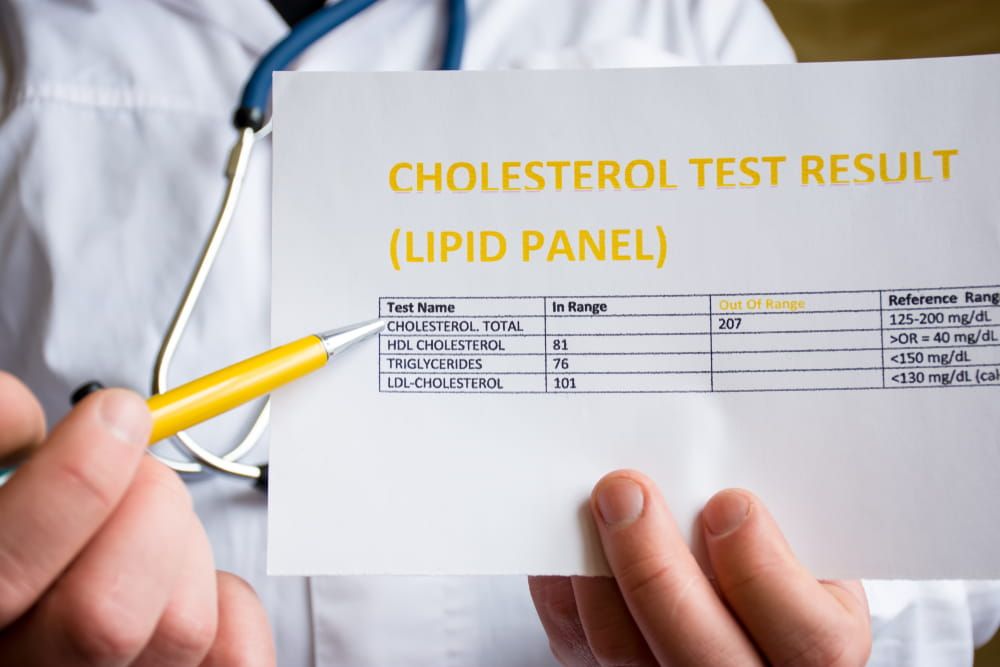
Cholesterol is often discussed in terms of “good” and “bad,” but understanding what those numbers truly mean can feel overwhelming. At Vida Revival, Dr. Diana Alavi emphasizes the importance of helping patients throughout Thousand Oaks, Agoura Hills, Calabasas, Westlake Village, and surrounding Los Angeles County communities understand their lab results so they can make informed decisions about their health. Your cholesterol panel offers valuable insight into your cardiovascular risk, metabolic health, and even inflammation levels. Knowing how to read it empowers you to take proactive steps toward long-term wellness.
Understanding the Basics of a Cholesterol Panel
A standard lipid panel measures several key components in your blood. Each value plays a distinct role in assessing cardiovascular risk and overall metabolic function. Rather than focusing on one number alone, it is essential to evaluate the full picture.
Total Cholesterol, LDL, HDL, and Triglycerides
Your panel typically includes:
- Total cholesterol
- LDL (low-density lipoprotein)
- HDL (high-density lipoprotein)
- Triglycerides
LDL is often labeled “bad” cholesterol because elevated levels can contribute to plaque buildup in the arteries, increasing the risk of heart attack and stroke. HDL is considered “good” cholesterol because it helps remove excess cholesterol from the bloodstream. Triglycerides are a type of fat that store unused calories; high levels may signal insulin resistance or metabolic dysfunction. Total cholesterol is a combined measure, but on its own, it does not provide enough detail to determine risk.
Optimal ranges depend on age, medical history, and individual risk factors. For example, someone with diabetes or a history of heart disease may require stricter LDL targets than someone without those conditions. That’s why interpreting your numbers in context is critical.
Why Cholesterol Numbers Matter Beyond the Heart
While cholesterol is most commonly associated with heart disease, abnormal lipid levels often reflect broader health concerns. Elevated triglycerides can indicate poor blood sugar control, excess carbohydrate intake, or sedentary lifestyle patterns. Low HDL levels may be linked to chronic inflammation or hormonal imbalances.
Cholesterol numbers are also closely tied to cardiometabolic risk. Conditions such as obesity, insulin resistance, and metabolic syndrome can significantly alter lipid values. Comprehensive care approaches, including Cardiometabolic Risk Management and Chronic Disease Management, often include detailed lipid monitoring as part of a broader strategy to prevent complications.
In addition, thyroid disorders and hormonal imbalances can influence cholesterol levels. Evaluations such as Endocrine & Hormonal Disorder Management and Comprehensive Adult Wellness Exams help identify underlying contributors rather than simply treating a lab value in isolation.
How to Improve Your Cholesterol Profile
Improving cholesterol numbers usually requires a multifaceted approach. Lifestyle factors are foundational, and small changes can produce meaningful improvements over time.
Nutrition plays a central role. Increasing fiber intake, consuming omega-3 fatty acids, reducing processed foods, and limiting added sugars can help lower LDL and triglycerides. Regular physical activity improves HDL levels and enhances insulin sensitivity. Weight management strategies, such as those addressed through Weight Management programs, can significantly improve lipid balance when excess body fat is contributing to metabolic strain.
In some cases, additional therapies may be recommended based on individual needs. Integrative approaches, including targeted supplementation or IV Therapy, may support metabolic health when guided appropriately. For patients with complex presentations, Complex Diagnostic Evaluations can uncover root causes contributing to persistent abnormalities.
Taking a Proactive Approach to Long-Term Health
Your cholesterol panel is more than a routine lab test; it is a snapshot of your cardiovascular and metabolic health. Understanding each component helps you move beyond fear-based thinking and toward informed, preventative action. Regular screening, especially as part of Preventive Health & Cancer Screenings, allows trends to be identified early before serious complications develop.
At Vida Revival, Dr. Diana Alavi encourages patients across Thousand Oaks, Agoura Hills, Calabasas, Westlake Village, and nearby Los Angeles County communities to view their cholesterol numbers as actionable information rather than a diagnosis. With the right interpretation, personalized guidance, and consistent follow-up, you can reduce your risk of heart disease and support lifelong wellness.
Sources
Centers for Disease Control and Prevention. (2023). Cholesterol. U.S. Department of Health and Human Services.
American Heart Association. (2022). Understanding Your Cholesterol Levels.
Grundy, S. M., et al. (2019). 2018 Cholesterol Clinical Practice Guidelines. Journal of the American College of Cardiology.